
China Sourcing for Small Businesses: A Practical Guide
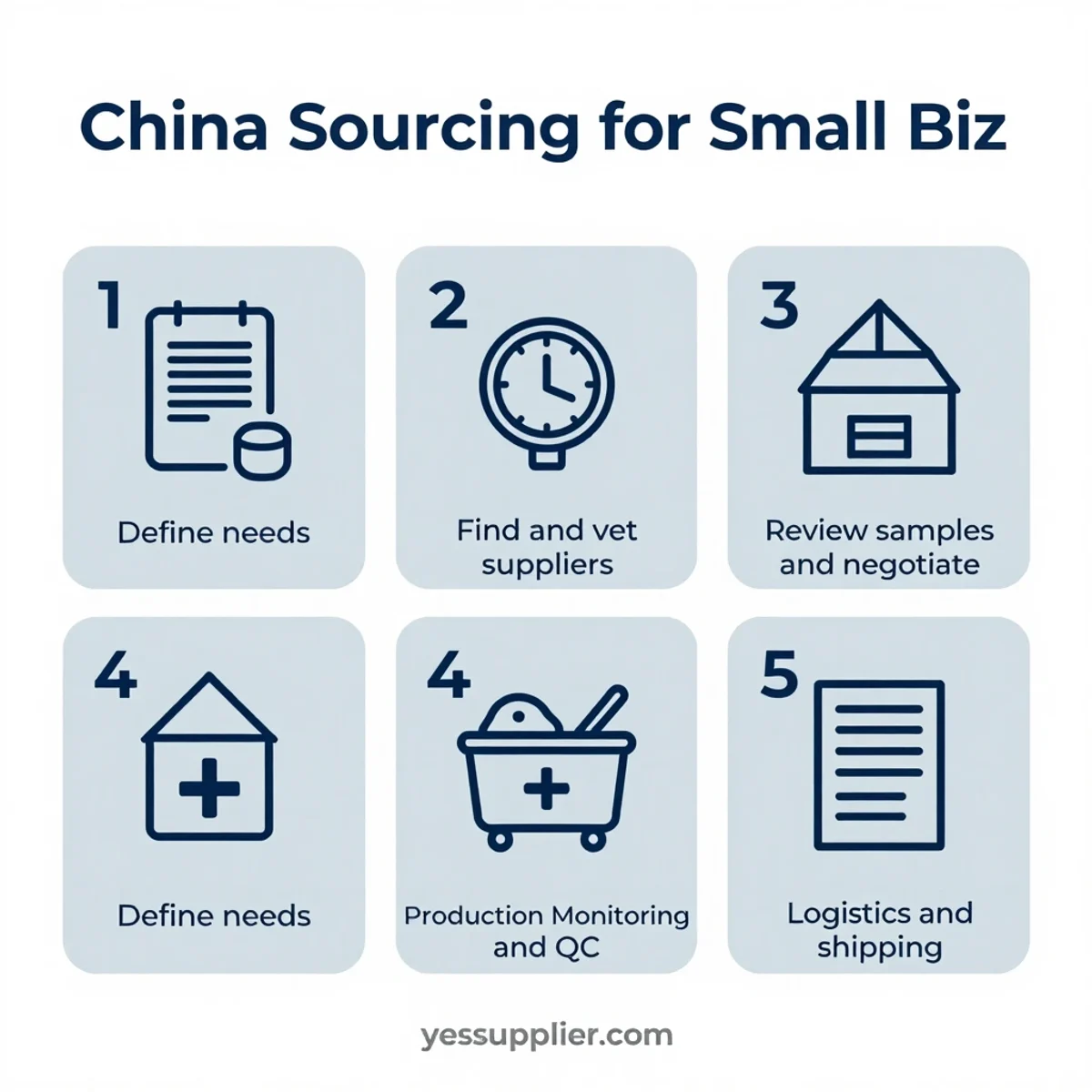
Yes Supplier is a boutique China sourcing agency that helps small businesses, startups, and e-commerce sellers find suppliers, manage samples, monitor production, and handle logistics. If you are new to sourcing from China or working with small to moderate volumes, this guide presents a practical step by step approach. The process described follows Yes Supplier’s sourcing workflow: supplier search, vetting, sample development, production monitoring, quality control, and shipping.
Here’s a practical, no‑nonsense overview of how to approach China sourcing for small businesses. It relies on clear language, straightforward steps, and a service‑led workflow you can discuss with a sourcing partner or use to structure an internal plan. For more detail on Yes Supplier’s specific services, see the company’s service overview at Yes Supplier to Services and the “How It Works” guidance at Yes Supplier to How It Works. Additional context and guides are also available at China Sourcing Guides.
1) Define your needs and scope
Start with a clear scope so your supplier search is targeted and efficient. Define what you’re sourcing, typical monthly or quarterly volumes, quality requirements, and any compliance needs. Consider:
- Product category and variant options (materials, finishes, packaging)
- Target price range and acceptable cost variability
- Certifications or regulatory requirements (e.g., safety, labeling)
- Lead times, packaging standards, and tolerance for defects
A concise needs brief helps a sourcing partner find suitable suppliers and reduces back and forth. Yes Supplier starts by confirming your needs, then moves on to supplier search and vetting to align expectations early.
2) Find and vet potential suppliers
Finding the right factory or manufacturer in China requires screening for reliability, capabilities, and compliance. A disciplined vetting process typically includes:
- Reviewing factory capabilities, capacity, and equipment suitability
- Verifying certifications, quality systems, and past performance
- Assessing production security, IP protection, and data handling
- Evaluating financial stability and communication responsiveness
Yes Supplier conducts due diligence within a vetted supplier network before moving to samples or pilot orders. See Yes Supplier’s service pages for more details on their supplier search and vetting approach.
3) Review samples and negotiate terms
Sample development is a critical moment in the sourcing journey. Early samples confirm that the factory can meet design, dimensions, and performance expectations. Expect a review process that involves:
- Assessing sample fit against your specifications
- Requesting refinements or alternative materials as needed
- Documenting outcomes and decisions to guide mass production
Negotiation focuses on price, lead times, payment terms, and quality commitments. It’s important to maintain clarity on expectations and to record agreements in writing to avoid misalignment later in production. A sourcing partner can help coordinate samples and keep you informed throughout the review cycle.
4) Production monitoring and quality control
Once you approve samples, ongoing production monitoring helps catch issues before mass production finishes. Usual practices include:
- In‑process quality checks and progress photos or videos
- Periodic inspections to verify adherence to specifications and packaging standards
- Pre‑shipment inspections to confirm product conformance and labeling accuracy
Yes Supplier coordinates audits and inspections to help ensure orders meet agreed standards before shipment. That reduces the risk of surprises on arrival and helps maintain consistency when you introduce new products.
5) Compliance and certifications
Compliance isn’t optional in many product categories. Depending on your product, you may need certifications (eg, safety, environmental, or industry standards). Start by identifying applicable requirements early in the process and confirming them with your supplier. A sourcing partner can help map regulatory expectations and track certificate validity throughout production. Always verify which certifications apply to your product and market before committing to large runs.
6) Logistics and shipping
Logistics can dramatically affect total landed cost and delivery timing. The end-to-end approach typically covers:
- Choosing appropriate shipping modes (air, sea, or highway) based on cost and lead time
- Export documentation, customs clearance, and insurance coordination
- Real-time shipment tracking and contingency planning for delays
Yes Supplier coordinates logistics and works with freight forwarders, using either client arrangements or its own network. See Yes Supplier’s guidance pages for details on how this integrates with production and delivery.
7) Negotiation, terms, and cadence
Clear negotiation terms help you manage costs and timelines. Establish pricing bands, minimum order quantities, expectations for the sample to production transition, and inspection milestones. Keep communication open and get written confirmation for any major milestone, especially those that affect cost or delivery.
8) A practical end‑to‑end workflow
A simple repeatable workflow is: define needs; search and vet suppliers; review samples; confirm production and quality checks; conduct pre shipment inspections; coordinate shipping and delivery. This flow matches Yes Supplier’s guidance and helps small teams stay aligned without adding unnecessary complexity.
9) Take the next step
If you’re ready to discuss your China sourcing project with a dedicated team, you can request a consultation with Yes Supplier. A consult call helps translate this guide into an action plan tailored to your product and volume. Request a consultation from Yes Supplier or start the site’s quote flow for a guided conversation.
For additional context on the sourcing journey, you can also explore the Yes Supplier pages on Services, How It Works, and the dedicated China Sourcing Guides.