
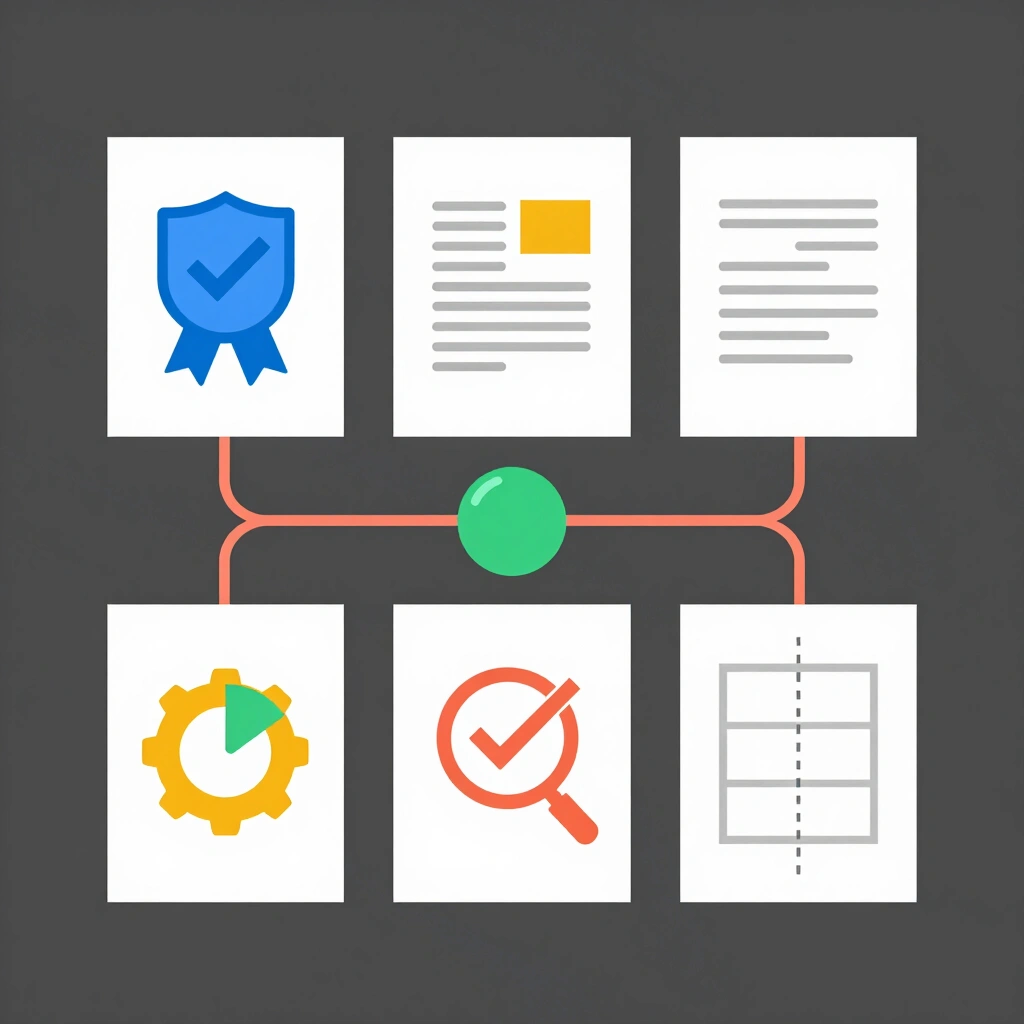
Take a hypothetical small ecommerce brand that found a factory on a marketplace, approved a sample over a video call, and then took delivery of a production run that looked nothing like the approved sample. That is the standard risk of buying from China without local oversight. The best China sourcing agent for a small business in 2026 is not the cheapest one, and it is not the one with the biggest marketing presence. It is the agent that hands you verifiable work products at the exact points where sourcing projects fail: supplier identity, sample approval, production checks, final inspection, and shipment handoff. If an agent can only explain its work in conversation, its reputation should not matter.
Do you even need an agent before you compare them?
Not every small business should pay for a sourcing agent. If you are buying a simple, low-risk product in small volumes through a marketplace with order protection, an agent can cost more than the risk it removes. A mediocre batch of a basic product is survivable. A failed run of an engineered, safety-relevant, or heavily branded product is not.
You probably need an agent when the product has multiple components, when packaging and labeling are customized, when the factory must be vetted rather than assumed, or when nobody on your team can be physically present during production. You also need one when a problem found late still has to be fixed under someone else’s deadline. Buying a list of supplier names is not the same as sourcing. A supplier search produces candidates. A sourcing process produces evidence about those candidates.
What documented sourcing control looks like
Most agents advertise the same services: supplier search, sample coordination, production monitoring, final inspection, logistics. The difference is not the list of services. It is the work product attached to each service.
- Supplier verification. Look for a file that includes the business license, the registered address, export qualification, and dated images or video of the actual production floor. A certificate posted on a marketplace is not verification.
- Requirement confirmation. Your product specification, materials, packaging, certifications, order volume, and target price band should be written down before any supplier is contacted. If the agent treats your requirement as a chat message, the factory will treat it as a suggestion.
- Sample coordination. A photo sample is for look and feel. A pre-production sample is for production matching. The approved sample should be signed and kept as the reference. That signed sample is the document you use later if the factory drifts.
- Production monitoring. A mid-production check happens while goods are still on the line, not only after they are packed. That is the point where a defect is cheap to correct. An agent that only shows up for final inspection is doing half the job.
- Final inspection. The report should name the sampling standard it follows, normally ISO 2859-1, and record critical, major, and minor defects separately. Sample size and defects found should be on paper, not summarized in a pass or fail message.
- Logistics handoff. You should receive the commercial invoice, packing list, bill of lading, and a clear statement of which Incoterm applies at which point. Without these, nobody can tell you where your responsibility starts.
- Product development support. For custom products, this may mean working through material selection, tolerances, or packaging changes with the factory. It is useful only if the decisions are documented and the cost implications are stated in writing.
A documented step can be audited, and an auditable step changes who bears the risk. If an agent cannot show you how it controls each step, you are not hiring oversight. You are hiring a phone number.
For custom products, the agent should also be able to show you comparable quotes from different factories using the same specification. A low quote is not an opportunity if it excluded a material, a packaging step, or an inspection. The agent’s job is to translate your requirement into a comparable quote, not simply collect the lowest number.
How to compare sourcing agents without getting distracted
Ignore promises. Ask the questions that expose incentives and scope gaps.
- Who pays you? The answer should be a commission, a fixed service fee, or a markup on the factory price. Agents paid by the factory are common, and that arrangement is not automatically bad. It must be disclosed before you sign anything.
- Will you name the factories before I pay? If an agent hides factory identities, you cannot cross-check anything they tell you.
- Can I contact the factory directly after the project ends? The answer tells you whether you are building a supplier relationship or renting one.
- Who writes the inspection report? The person inspecting should report to you or to a separately engaged inspection body, not to the same person earning a supplier-targeted commission.
- What happens when a batch fails? A competent answer includes re-inspection, corrective action requests, and a defined decision point for reject, rework, or accept with a concession. A blanket promise to fix everything is not a process.
For a small business, the practical route comparison looks like this:
| Route | What you control | Where it tends to break | When it fits |
|---|---|---|---|
| Marketplace with self-managed production | Supplier search and order placement | No physical verification, no mid-production oversight, disputes happen after shipment | Small orders of simple, low-risk goods |
| Trading company | The relationship with the trader, not the factory | Incentives and margins are opaque; quality depends on the trader’s own staff | Standard products with broad specifications and flexible tolerances |
| Sourcing agent with documented controls | Verification files, signed samples, inspection reports, shipment documents | Adds a management cost and still needs your input on specifications and compliance | Custom products, multi-component goods, or runs where a defective batch is expensive |
Ask to see a blank version of the inspection report before you sign. If the report has fields for sample size, defect classification, and photos, that is a signal the agent intends to collect those things. If the report is a single pass or fail line, the agent will not be able to help you later.
How to read a sourcing agent’s fee
Honest cost comparison depends on your specific order shape, so ignore anyone who gives you one number for every project. What you need to understand is the flow. Commission-based agents are paid as a share of the order value or a markup on the factory price. Fixed-fee agents charge a defined project fee. In both cases, sample shipping, inspection fees, translations, and freight are often separate. Ask for a written schedule of what is inside the fee and what is outside it.
The cheaper option on paper becomes expensive when its process lets a defective batch reach your customers. A sourcing fee is not a purchase. It is insurance with a paper trail. Compare the cost of the fee to the cost of one failed shipment, and the calculation usually answers itself.
When the agent is paid by the factory, ask whether you can see the factory price separately. If you cannot, you cannot assess whether the markup is fair or whether the agent’s recommendation is driven by commission. If the agent refuses to show you the underlying factory quote, that is a limitation, not a detail.
Red flags that should end the conversation
Some agent behavior is disqualifying. A promise of defect-free production or frictionless customs is not a strength; it is evidence that the agent does not understand the job. Agents cannot transfer import compliance responsibility to themselves. Customs classification, duties, and regulatory compliance remain the importer’s responsibility no matter what is claimed during a sales call.
You should also walk away from an agent that refuses to reveal factory names, sends a sole supplier option with no verification file, writes inspection reports without naming a standard, asks for payment to a personal account, or pushes you to skip final inspection to meet a shipping date. Those are the moments where the agent’s incentive and yours diverge. If the agent has to pressure you to accept less oversight, the oversight was never the point.
Set up the engagement so it leaves a paper trail
Treat the engagement itself as a controlled procedure. This sequence works for small companies because it forces every decision into a record.
- Send a written requirement document. Cover the specification, target function, acceptable materials, packaging requirements, certifications your market needs, target price band, and order volumes. Ambiguity here becomes the factory’s interpretation later.
- Sign an agency agreement. Define the scope, the fee structure, who owns the supplier relationship, and what evidence the agent must deliver at each milestone.
- Review a shortlist built on verification files. Ask why each supplier was included and what the verification check actually showed. An introduction is not the deliverable.
- Approve a pre-production sample and sign it. State in writing that production must match that sample. This is the document that protects you in a rejection dispute.
- Agree on inspection and reporting before production starts. Decide when mid-production checks happen, what the final inspection standard is, and what documents must be handed over before shipment.
Each step creates a record. Keep every record, even when the project goes well. Those records are what remain if a dispute, a rejection, or a customs question appears later.
When this model is the wrong fit
An agent is not the right answer in every situation. If you order container volumes of a mature product, a direct factory relationship or a dedicated local purchasing office usually gives you better economics. If your product is regulated, such as a food, cosmetic, medical device, or children’s product, an agent can coordinate samples and inspections, but certification and registration are your job with the relevant authorities. If your order is small and generic, a marketplace transaction may be the rational choice.
The practical test of any sourcing agent is whether it can produce evidence at the points where sourcing fails: a verification file, a signed reference sample, a mid-production check, an inspection report that names its standard, and a shipment handoff you can audit. Those documents are the product. When you compare agencies, compare how they document requirement confirmation, supplier vetting, sample coordination, production monitoring, final inspection, and logistics handoff. A good benchmark is Yes Supplier’s how-it-works page, which shows that sequence openly, and the same standard is the minimum you should expect from any agent you shortlist.